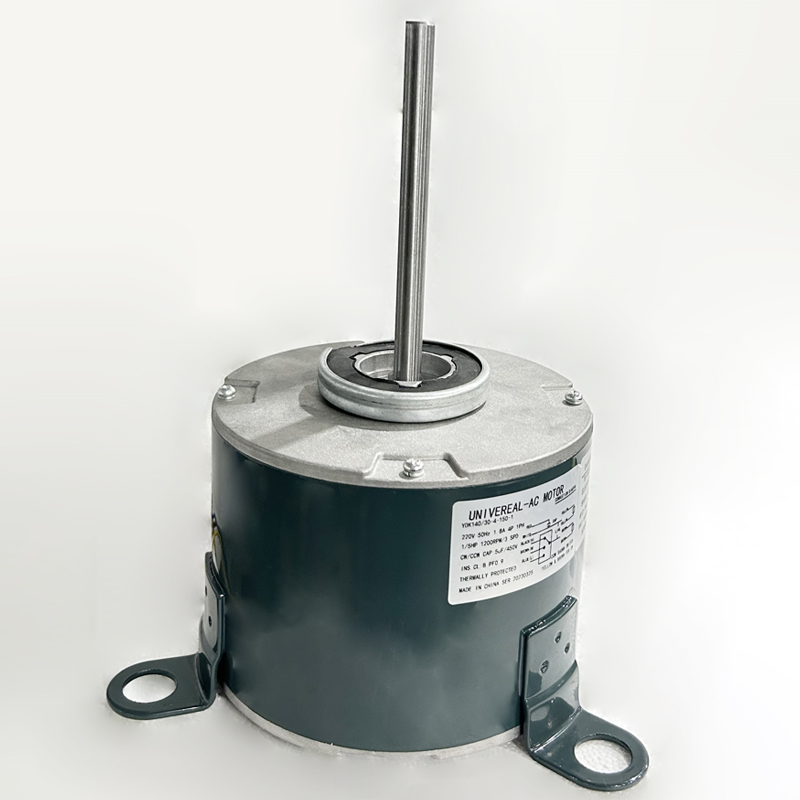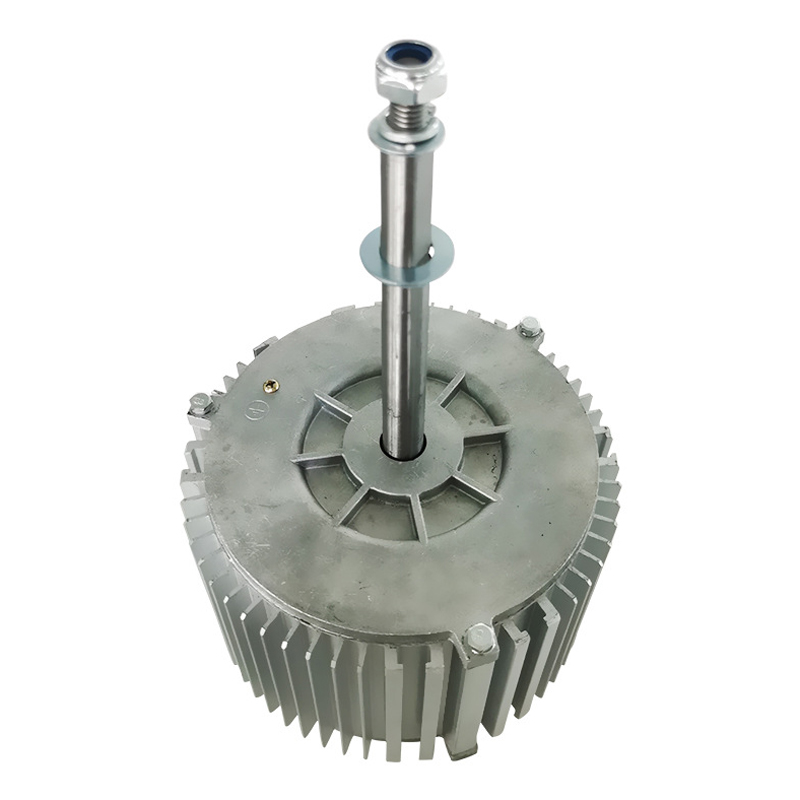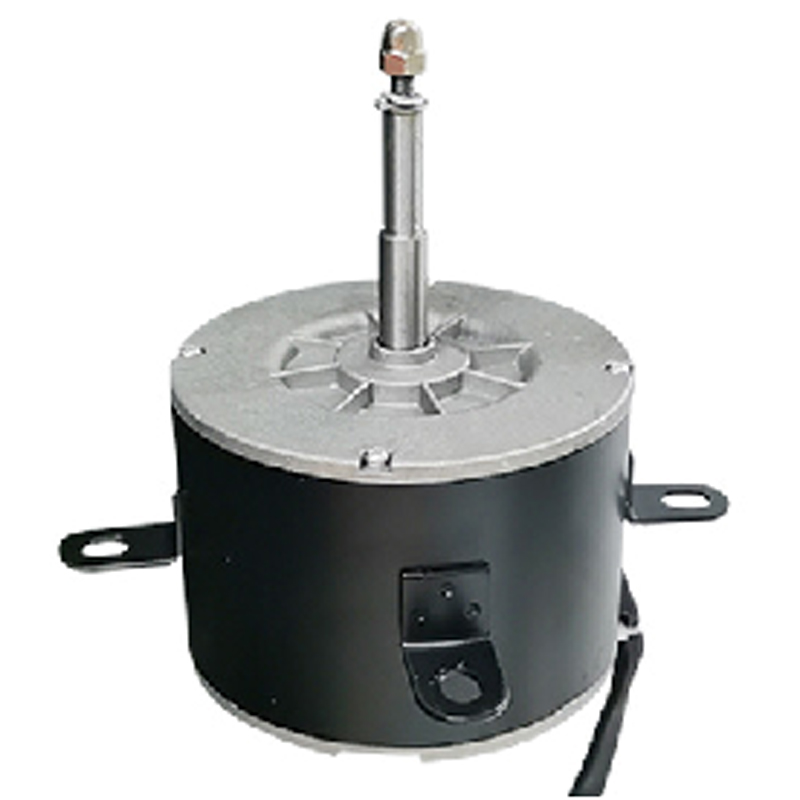
**Electric Motor Cooling Fan: Enhancing Efficiency and Reliability in Modern Electric Motors**In the rapidly evolving landscape of electric motor technology, effective cooling solutions have become paramount to ensuring optimal performance and longevity. The Electric Motor Cooling Fan has emerged as a critical component, addressing thermal management challenges faced by electric motors across diverse industries. This article delves into the significance of electric motor cooling fans, their technological advancements, and how leading manufacturers are innovating to meet the growing demands of modern electric motor applications.### The Importance of Cooling in Electric MotorsElectric motors are the backbone of countless applications, from industrial machinery and HVAC systems to electric vehicles and consumer electronics. During operation, these motors generate heat due to electrical losses and friction. Excessive heat can lead to insulation degradation, reduced efficiency, and ultimately, motor failure. Efficient cooling mechanisms are essential to dissipate this heat, maintain motor integrity, and ensure reliability.The Electric Motor Cooling Fan serves as a frontline defense against overheating. By facilitating airflow around the motor, the fan reduces the operating temperature, preventing thermal damage and extending the motor’s service life. Additionally, maintaining optimal temperature enhances motor efficiency, resulting in energy savings and improved overall system performance.### Technological Advancements in Cooling Fan DesignRecent innovations have elevated the design and functionality of electric motor cooling fans. Modern fans are engineered to deliver higher airflow with lower noise levels and energy consumption. Advancements in materials, aerodynamics, and manufacturing techniques have paved the way for customized cooling solutions tailored to specific motor requirements.For instance, the integration of lightweight composite materials has reduced fan inertia, improving responsiveness and reducing wear. Precision-engineered blade geometries optimize airflow patterns, enhancing heat dissipation while minimizing turbulence and acoustic emissions. Moreover, smart control systems enable variable fan speeds based on real-time temperature feedback, thereby optimizing cooling efficiency and reducing energy usage.### Application-Specific Cooling SolutionsDifferent applications impose unique thermal challenges on electric motors. Industrial motors may operate under heavy loads in harsh environments, necessitating robust and reliable cooling fans. In contrast, electric vehicle motors demand compact, lightweight fans capable of coping with rapid temperature fluctuations and limited installation space.To address these diverse needs, manufacturers offer a broad portfolio of electric motor cooling fans. These range from axial and radial fans to blower styles, each suited for specific airflow and pressure requirements. Customization options, including fan size, mounting configurations, and material selections, allow seamless integration into existing motor designs.### Industry Adoption and BenefitsThe adoption of advanced electric motor cooling fans has yielded significant benefits across multiple sectors. In industrial automation, improved motor cooling reduces downtime caused by overheating, enhances process reliability, and lowers maintenance costs. HVAC systems equipped with optimized cooling fans achieve quieter operation and better energy efficiency, contributing to sustainability goals.Electric vehicles represent one of the fastest-growing segments benefiting from cooling fan innovations. Enhanced thermal management supports higher power densities and longer battery life while ensuring passenger comfort through noise reduction. The result is improved vehicle performance and customer satisfaction.### Commitment to Quality and SustainabilityManufacturers of electric motor cooling fans are committed to quality, reliability, and environmental responsibility. Rigorous testing protocols ensure fans meet stringent performance standards, including durability under extreme conditions and compliance with safety regulations.Sustainability efforts focus on using recyclable materials, minimizing waste during production, and improving energy efficiency. By enhancing motor cooling efficiency, these fans contribute to reduced energy consumption and lower greenhouse gas emissions, aligning with global sustainability initiatives.### Looking AheadAs electric motor technologies continue to advance, the demand for innovative cooling solutions will intensify. Emerging trends such as electric mobility, smart manufacturing, and renewable energy integration create new challenges and opportunities for cooling fan development.Future cooling fans are expected to incorporate smart sensors and IoT connectivity, enabling predictive maintenance and real-time performance optimization. Advanced materials and manufacturing methods, including 3D printing, may unlock new design possibilities and cost efficiencies.In conclusion, the Electric Motor Cooling Fan stands as an indispensable component in modern electric motor systems. Through continuous innovation and industry collaboration, these cooling fans enhance motor performance, reliability, and sustainability, driving progress across multiple sectors and powering the future of electric technology.---*This news article reflects the current developments and significance of electric motor cooling fans in industry, highlighting technological advancements and their impact on efficiency and sustainability.*
Read More